Key Gains of Using Robotics in Precision Aluminum Casting Facilities
Wiki Article
How Robotic Automation Boosts Effectiveness in Advanced Light Weight Aluminum Foundries
Robotic automation is changing the landscape of innovative aluminum factories. By reducing hand-operated treatment, these systems improve efficiency across various manufacturing processes. Jobs such as mold and mildew handling and product transport are structured, resulting in significant reductions in cycle times. However, the ramifications of this shift expand beyond plain rate and price savings. As technology advancements, a closer evaluation exposes much deeper understandings right into the future of production in this market.The Duty of Robotics in Aluminum Casting Processes
Robotics reinvent light weight aluminum spreading procedures by boosting performance and accuracy. In contemporary foundries, robotic systems automate numerous jobs such as mold and mildew handling, pouring, and product transport, substantially lowering cycle times. By using sophisticated formulas and sensors, robots can execute recurring jobs with unmatched rate and consistency, minimizing human error and maximizing result.The assimilation of robotics enables for smooth sychronisation between various stages of the spreading process. Automated systems can manage the flow of products, making sure that parts await subsequent steps right away. This streamlining of procedures not only enhances productivity yet likewise reduces labor costs and the threat of work environment injuries.

Enhancing Precision and High Quality Control
Accuracy in light weight aluminum foundries is substantially enhanced through the combination of automated systems that monitor and manage numerous aspects of the casting process. Aluminum Casting. These systems use advanced sensors and real-time information analytics to assure that each phase of production complies with stringent specs. Automated systems can readjust criteria such as stress, temperature, and product circulation instantaneously, reducing the possibility of issues and guaranteeing uniformity in the final item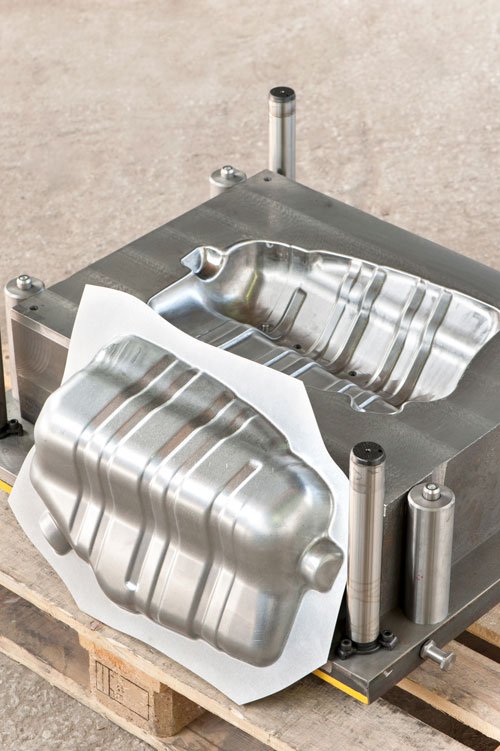
Minimizing Labor Prices Through Automation
Automating procedures in aluminum shops substantially reduces labor prices by reducing the demand for hands-on treatment in time-consuming and recurring tasks. By carrying out robot systems, factories can lower the workforce needed for operations such as molding, pouring, and ending up. This shift not only reduces salaries and benefits yet also alleviates prices connected with hiring, training, and staff member turnover.Additionally, automation enhances productivity, enabling makers to run continually with minimal downtime, which even more contributes to cost financial savings. As robots execute tasks with high precision and consistency, the need for comprehensive high quality control procedures lessens, leading to additional savings.
The assimilation of automation additionally permits human employees to concentrate on more complex and value-added tasks, maximizing general operational efficiency. Consequently, the change to robot automation arises as a calculated investment, allowing aluminum foundries to continue to be affordable in a rapidly evolving market while greatly lowering labor expenses.
Improving Product Handling and Logistics
In the context of light weight aluminum foundries, simplifying material handling and logistics is essential for boosting operational performance. Automated material transportation systems can significantly lower manual work, while supply administration optimization guarantees that resources are made use of efficiently. In addition, real-time tracking remedies offer presence into the supply chain, assisting in prompt decision-making and decreasing hold-ups.Automated Product Transportation Systems
A significant development in light weight aluminum shops is the implementation of automated material transportation systems, which boost the efficiency of material handling and logistics. These systems utilize robot vehicles and conveyor belts to help with the seamless activity of raw materials and completed items throughout the manufacturing procedure. By lessening human treatment, they minimize the risk of mistakes and accidents, causing safer workplace. Furthermore, automated transportation systems optimize process by ensuring prompt shipment of materials to various processing stations, ultimately enhancing efficiency. The combination of real-time tracking innovations additionally permits for specific surveillance of product flow, enabling quick adjustments to operational needs. On the whole, these technologies especially simplify logistics, making certain that shops satisfy production targets with greater integrity.Supply Administration Optimization
While conventional inventory monitoring in aluminum shops often deals with inefficiencies, the fostering of advanced optimization methods considerably improves material handling and logistics (Precision Aluminum Casting). Automated systems streamline the circulation of materials, decreasing and decreasing lead times stock inconsistencies. By executing just-in-time supply methods, shops can preserve ideal supply degrees, consequently reducing holding expenses and waste. Robotics likewise play an essential function in organizing and relocating materials, making certain that parts are conveniently accessible when required. Moreover, progressed analytics assist in much better projecting, permitting even more exact demand planning. This alternative strategy to inventory administration not just enhances productivity however likewise adds to a more sustainable operation by decreasing excess stock and boosting source allocation within the foundry atmosphereReal-time Monitoring Solutions
Efficient supply management sets the phase for the application of real-time monitoring solutions in light weight aluminum shops. These solutions utilize progressed modern technologies such as RFID and IoT sensors to keep track of materials throughout the production process. By offering visibility into the location and status of basic materials and ended up items, real-time monitoring improves decision-making and lessens delays. This positive method improves material handling and logistics, ensuring that parts are readily available when required, thus decreasing waste and improving functional performance. Furthermore, the data accumulated can be examined to determine traffic jams and maximize process, leading to continuous renovation in production procedures. Eventually, real-time monitoring services contribute greatly to the general productivity and responsiveness of light weight this website aluminum factories in a significantly open market.Boosting Manufacturing Speed and Output
Robot automation greatly boosts production speed and outcome in light weight aluminum factories, permitting structured operations and decreased cycle times. Aluminum Foundry. By integrating robotics into various phases of the production procedure, foundries can attain greater throughput and performance. Automated systems can operate constantly, carrying out tasks such as spreading, machining, and completed with impressive precision and rateThe ability to program robotics for certain jobs allows factories to quickly adapt to transforming production needs, therefore maximizing resource appropriation. Furthermore, robot systems can handle multiple procedures at the same time, greatly increasing the quantity of result without giving up top quality. This performance causes much shorter lead times and an extra responsive manufacturing environment.
As production rate accelerates, factories can much better satisfy consumer needs and boost their affordable edge in the market. Robotic automation plays an essential duty in driving the future of light weight aluminum foundry operations, eventually leading to enhanced success and sustainability.
Minimizing Human Error in Production
As hands-on processes commonly introduce irregularity and disparities, minimizing human mistake in making comes to be vital for light weight aluminum factories intending for peak efficiency and quality. The assimilation of robotic automation substantially decreases the dependence on human operators, thus lowering the possibility of blunders. Robotics regularly carry out tasks with high precision, guaranteeing uniformity in aluminum spreading processes.In addition, automation enhances workflows by systematizing operations, which assists to remove the variances typically related to hands-on labor. By making use of sophisticated sensing units and real-time surveillance, robotic systems can identify anomalies and make modifications instantaneously, further reducing the capacity for errors.
Training and oversight can still be crucial, yet the overall dependence on human treatment is decreased. This change not only enhances product top quality however additionally contributes to safer workplace by lowering the risks connected with human mistake. Ultimately, robot automation causes much more trustworthy manufacturing procedures in aluminum shops.
Future Fads in Robot Automation for Foundries
The future of robotic automation in aluminum shops is poised for significant improvements. Boosted precision and precision will be accomplished with the combination of synthetic intelligence innovations, enabling for smarter and more effective procedures. In addition, the rise of collective robotics assures to change procedures by making it possible for smooth communication in between devices and human workers.Boosted Precision and Accuracy
While traditional approaches in light weight aluminum shops usually have a hard time with consistency, developments in automation innovation are paving the means for enhanced precision and accuracy in manufacturing procedures. Robotic systems geared up with state-of-the-art sensing units and control formulas can carry out jobs with unrivaled exactness, reducing human mistake and product waste. These automated services facilitate specific measurements and adjustments throughout casting, guaranteeing that items satisfy stringent specs. Additionally, the capacity to repeat procedures with high fidelity permits foundries to keep high quality throughout large manufacturing runs. As these robotic systems end up being extra integrated right into factory procedures, they will substantially decrease variability, bring about improved item reliability and client complete satisfaction. Boosted precision and precision therefore represent an essential pattern in the future of robot automation in aluminum factories.Assimilation of AI Technologies
Robotic automation in aluminum factories is established to undergo considerable improvement with the assimilation of synthetic knowledge (AI) technologies. These developments will certainly make it possible for robots to discover from information, adjust to transforming problems, and maximize processes in real-time. By carrying out AI formulas, shops can enhance predictive upkeep, lowering downtime and boosting overall productivity. Additionally, AI can evaluate production patterns, enabling for much better source allowance and waste decrease. The consolidation of artificial intelligence will certainly bring about smarter automation systems with the ability of making independent choices, even more enhancing operations. Therefore, aluminum factories will not only achieve greater performance yet likewise preserve superior quality assurance, positioning themselves competitively in the swiftly advancing production landscape.Collaborative Robotics in Workflow
As the demand for performance and versatility in aluminum shops boosts, collective robotics is emerging as a crucial pattern in operational automation. These innovative systems enable human operators and robotics to work side by side, boosting efficiency while maintaining safety and security requirements. Collective robots, or cobots, are created to assist in jobs such as material handling, top quality Read Full Article assessment, and assembly procedures, successfully reducing hand-operated workloads. Their flexibility makes it possible for quick reconfiguration for different jobs, making them excellent for the dynamic settings of shops. In addition, with straightforward interfaces, drivers can quickly configure and manage cobots without comprehensive technological training. This integration of collective robotics not just improves procedures but likewise cultivates a more efficient and responsive manufacturing procedure in aluminum factories.Frequently Asked Inquiries
What Types of Robots Are Commonly Made Use Of in Light Weight Aluminum Foundries?
Commonly utilized robotics in light weight aluminum foundries consist of commercial robotic arms for material handling, automated assisted lorries for transportation, and joint robots for tasks needing human communication, boosting security and precision throughout the production process.Just How Much Preliminary Investment Is Required for Robotic Automation?
The preliminary investment for robotic automation in factories typically Aluminum Foundry ranges from $100,000 to several million dollars, depending upon aspects such as equipment complexity, installment needs, and the range of automation preferred for production processes.Can Robots Job Alongside Human Employees in Foundries?
Yes, robotics can function together with human workers in foundries. This collaboration enhances performance, as robotics embark on repeated tasks while humans focus on intricate procedures, bring about enhanced security and efficiency within the production setting.What Precaution Are Implemented With Robotic Equipments?
Safety actions for robotic systems consist of emergency stop buttons, safety and security barriers, routine upkeep checks, programmable safety zones, and durable training programs for human employees to guarantee a protected communication in between humans and robots in commercial atmospheres.
How Does Robotic Automation Affect Environmental Sustainability in Foundries?
Robot automation improves environmental sustainability in shops by lowering energy usage, reducing waste, and improving worldly performance. These systems enhance procedures, causing reduced exhausts and a smaller sized ecological footprint in light weight aluminum production.Robotic automation is changing the landscape of advanced aluminum factories. Robotic automation considerably improves manufacturing rate and output in light weight aluminum foundries, allowing for structured operations and minimized cycle times. The future of robot automation in light weight aluminum foundries is poised for significant advancements. Robot automation in aluminum factories is established to undertake considerable makeover with the combination of fabricated intelligence (AI) modern technologies. As the need for performance and versatility in light weight aluminum foundries increases, collaborative robotics is arising as a crucial pattern in functional automation.
Report this wiki page